
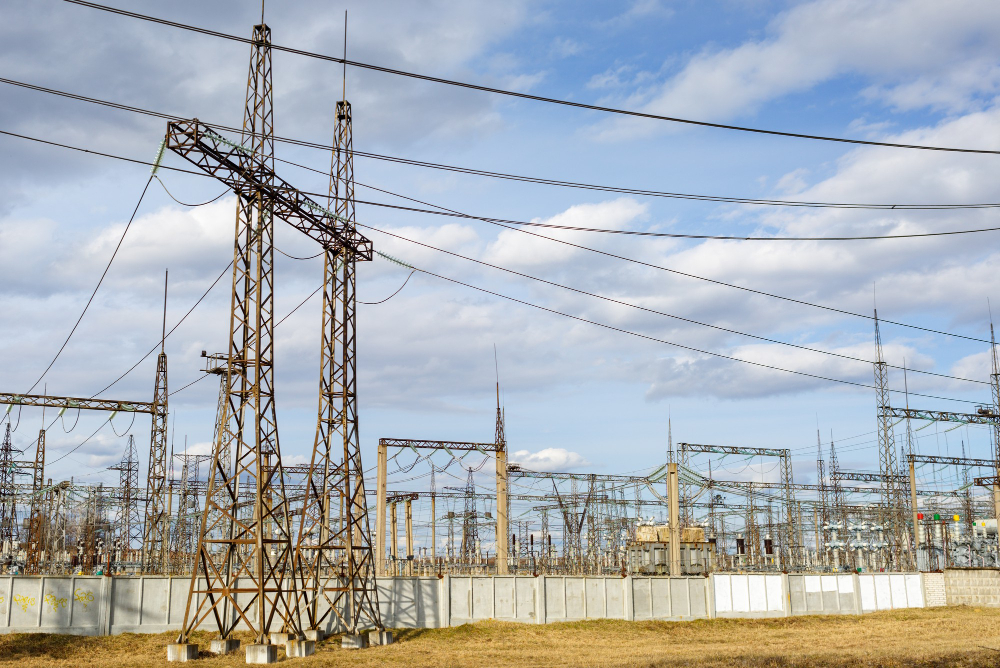

Energy is one of those operating costs that many organisations review only when a bill arrives or a generator needs refuelling. Yet electricity, diesel, petrol, LPG and process heat influence production costs, service delivery, equipment life and environmental performance. Businesses that understand where energy goes are better placed to decide which improvements are worth funding.
Uganda’s Energy Efficiency and Conservation Act, 2026 gives this subject a stronger place in the national regulatory framework. For businesses, the practical opportunity is to build reliable energy information before major upgrades or new reporting expectations arrive.
The legal position needs careful reading. The Energy Efficiency and Conservation Act, 2026 is Act 9 of 2026. It was assented to on 29 April 2026 and published in Acts Supplement 6 on 22 May 2026. Section 1 provides that Parts I and II come into force on publication in the Gazette, so those parts took effect on 22 May 2026. The remaining provisions are to commence on dates appointed by the Minister through statutory instruments with Cabinet approval. At the time of this review, 11 November 2026, the Uganda Legal Information Institute still lists the Act in its Uncommenced Legislation register. That register label should be read alongside the express Part I and II carve-out in section 1. Businesses should check for the relevant commencement instruments before treating the later operational requirements as enforceable. ULII
That distinction matters. The Act does not mean that every shop, office, hotel, school or factory must immediately appoint an energy manager or commission a statutory energy audit. Several duties in Part III apply to designated energy consumers. The Minister is required to designate the relevant consumers or classes of consumers. Sections 10 to 15 describe the framework for those designated consumers, including energy management systems, an energy manager, energy audits by permitted auditors, energy-saving measures, staff training, monitoring and periodic reporting. The detailed requirements depend on commencement, designation and implementing regulations. ULII
The Act also anticipates energy management standards across several sectors. Section 32 identifies residential and industrial buildings, agriculture, transport and small and medium-sized enterprises within the scope of those standards. This is an important signal for smaller businesses, but it does not mean that every SME automatically becomes a designated energy consumer. Organisations should follow the Ministry’s notices and the standards adopted for their sector.
Eco Safe’s view is that energy management should begin as an operational discipline, rather than as a purchase decision. A business does not need to start by replacing every air conditioner, installing solar panels or buying new machinery. It needs to understand its current pattern of consumption and the work that energy supports.
A useful first step is to map the energy sources used at each site. Collect electricity bills and meter readings, generator fuel records, vehicle fuel data, LPG purchases and any available information on process heat. Identify which departments, buildings or activities account for the main consumption. Keep the information by site and by month so that managers can compare like with like.
Next, establish a baseline. A total monthly electricity bill is useful, but it may not explain whether performance is improving. Where practical, relate consumption to activity. A hotel could monitor electricity per occupied room-night. A manufacturer could compare kilowatt-hours with units produced. A commercial building could review consumption against floor area and operating hours. Choose a measure that reflects the way the organisation works, document the method and use it consistently.
The third step is to understand when and why energy is being used. Review operating schedules, lighting, cooling, refrigeration, compressed air, pumps, motors and standby equipment. Look for equipment running outside business hours, poor maintenance, avoidable heat gain, leaking compressed air, unnecessary lighting or cooling settings that do not match occupancy. Any inspection involving electrical panels, wiring or live equipment should be undertaken by appropriately qualified personnel.
Use the findings to prioritise improvements. Some actions may involve better maintenance, staff routines, timers, temperature settings, operating schedules or clearer shutdown procedures. Others may require investment in efficient motors, lighting, refrigeration, controls or building improvements. Compare options using expected savings, installation cost, maintenance needs, equipment life and disruption to operations. A lower purchase price does not always represent the best whole-life value.
Measurement should continue after an improvement is installed. Record the date, cost, expected result and method used to verify performance. Compare consumption against the baseline while accounting for changes in output, occupancy, weather or operating hours. If a factory increases production, for example, total electricity use may rise even when energy use per unit produced improves. This is why a suitable performance indicator matters.
Assign responsibility for the process. Finance can maintain bills and cost records; facilities and engineering teams can track equipment and meter readings; operations can explain production patterns; procurement can include energy performance and maintenance considerations when evaluating equipment. A named coordinator can bring the information together for management review. Keep invoices, meter records, maintenance reports, equipment specifications and improvement records in one accessible system.
There is also a procurement lesson in the new framework. When an organisation is considering a major energy-consuming asset, it should look beyond the initial price. Ask for verified performance information, expected operating costs, service support, spare-parts availability and maintenance requirements. Public procuring entities should also monitor the Act’s provisions on energy efficiency in sustainable public procurement when the relevant provisions commence. Private businesses can apply life-cycle thinking voluntarily in their own purchasing decisions.
For suppliers operating across East Africa, a consistent energy record can also support conversations with regional customers, lenders and business partners. Requests will vary, and each business should answer with information it can substantiate. Where emissions are calculated, state the boundary, period, method and emission factors used. Avoid broad environmental claims that cannot be supported by records.
The immediate task for a Ugandan business is manageable: gather twelve months of available energy records, identify the main users, select one meaningful performance indicator and assign someone to review it each month. Then use the results to decide which operational changes deserve attention and which investments need a business case.
Uganda’s Energy Efficiency and Conservation Act establishes a direction for more structured energy management. The timetable and detailed obligations must be read alongside the commencement instruments, designations and standards as they are issued. Businesses can use the time to build sound records and practical management routines. Better decisions begin with knowing what the organisation uses, where it uses it and what that energy delivers.
